
A restaurant’s busiest service is often the moment when good habits matter most. Clear routines let staff work efficiently without cutting corners. Start with clean hands and equipment, protect ready-to-eat food and make measured temperature checks part of preparation and service.
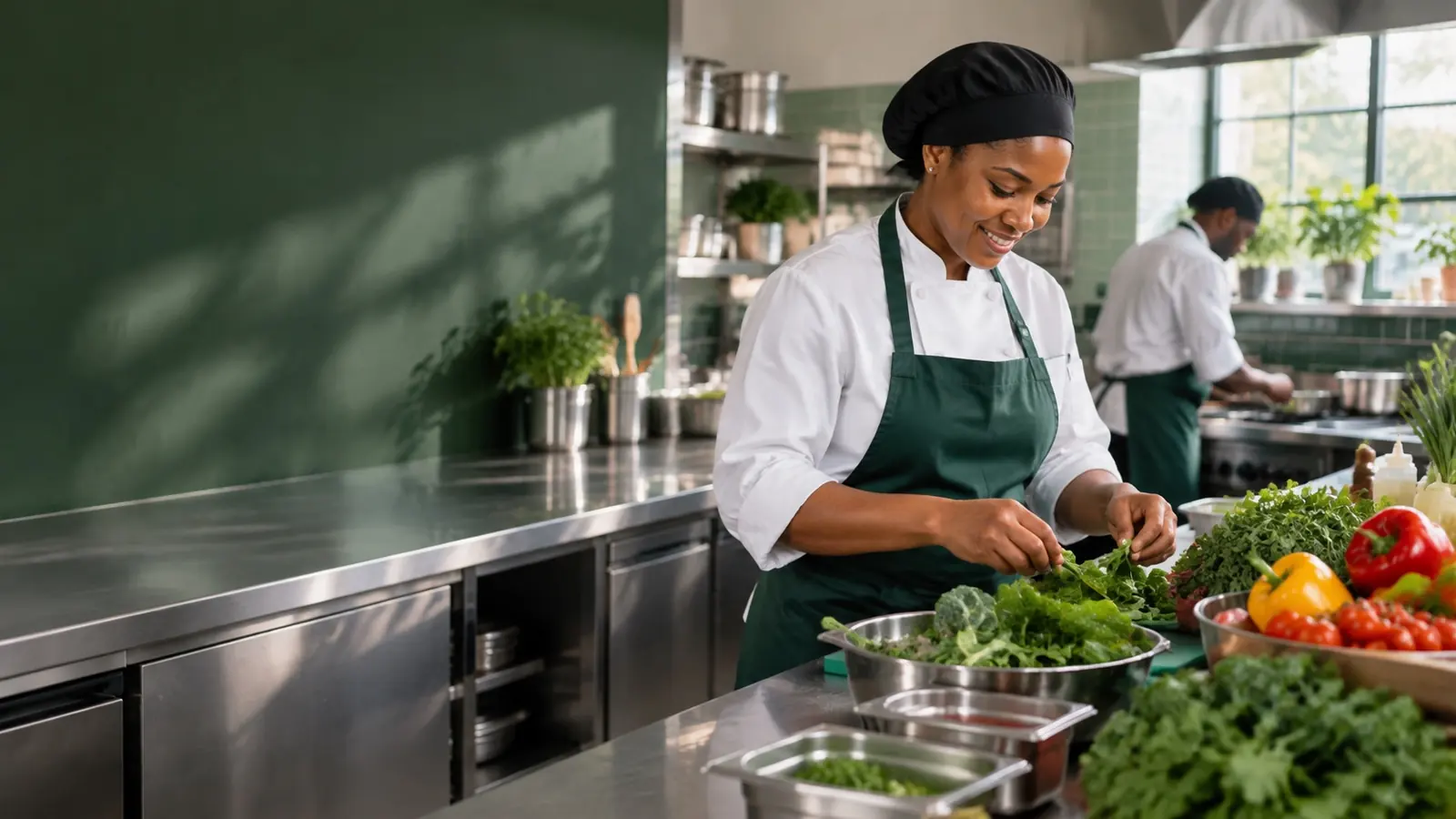
Safe food starts with everyday decisions
Food safety means controlling hazards that could make food harmful to eat. Food hygiene is the set of practical habits that helps achieve this: keeping hands, equipment and premises clean, preventing contamination and managing time and temperature. Food can look, smell and taste normal while carrying harmful microorganisms. A visual check is useful, but it cannot prove that food is safe.
Whether you prepare a sandwich in a café, serve a hotel buffet or sell cooked meals at a market, the same principle applies: protect the food at every stage. Safe receiving, storage, preparation, cooking and service work together. One unsafe step can undo the care taken at all the others.
Why foodborne illness matters
Foodborne illness can follow consumption of food containing harmful bacteria, viruses, parasites or their toxins. Symptoms can include vomiting, diarrhoea, stomach cramps and fever. Symptoms do not always start immediately, so the last meal eaten is not necessarily the source. Children, pregnant people, older adults and people with weakened immune systems may be particularly vulnerable.
A foodborne illness incident can affect customers, colleagues and the reputation of a business. If a customer reports suspected illness, tell the person in charge promptly, preserve relevant information and follow the business incident procedure. Do not diagnose the cause yourself or make unsupported assurances.
How food becomes unsafe
Common causes include handling ready-to-eat food with contaminated hands, using the same board for raw chicken and salad, leaving cooked food without temperature control, using unsafe water and allowing cleaning chemicals into food. Allergen cross-contact can also make a meal dangerous for a person with an allergy.
Think of prevention as three linked actions: keep hazards out, stop them spreading and control conditions that allow microorganisms to grow. Use approved suppliers, separate raw and ready-to-eat food, follow cleaning instructions and report problems before service continues.
Your responsibilities as a food handler
Follow the procedures for your workplace, wash your hands at the right times, wear clean protective clothing and tell your supervisor about illness, damaged equipment or unsafe food. Ask when instructions are unclear. Never hide a problem because the kitchen is busy.
South Africa’s R638 of 2018 sets out general hygiene requirements for food premises, food handling and transport. It includes duties for food handlers and the person in charge. This course introduces practical principles; it does not replace the regulation, workplace-specific instruction or advice from an Environmental Health Practitioner. A private course certificate is not a Certificate of Acceptability for premises.
Try this in your workplace
Choose one task from your next shift and check the complete procedure: what could go wrong, what control is used and what you should do if the control fails. Discuss any uncertainty with the person in charge.
Regulatory reference: Official Department of Health R638 regulation. This article is educational, not legal advice.
Back to the journal