
Food Storage and Handling
Receive, organise and prepare ingredients with confidence.
Check food before accepting a delivery
Use approved suppliers and inspect deliveries promptly. Check the product, quantity, packaging integrity, relevant dates and transport conditions. Measure temperatures where your procedure requires it. Reject or isolate food with damaged packaging, signs of pests, contamination or an unacceptable temperature history.
Do not leave chilled deliveries waiting in the sun while paperwork is completed. Move accepted food into suitable storage promptly. Record delivery concerns and notify the person in charge. A discount is not a reason to accept food whose safety cannot be established.
Organise storage to prevent contamination
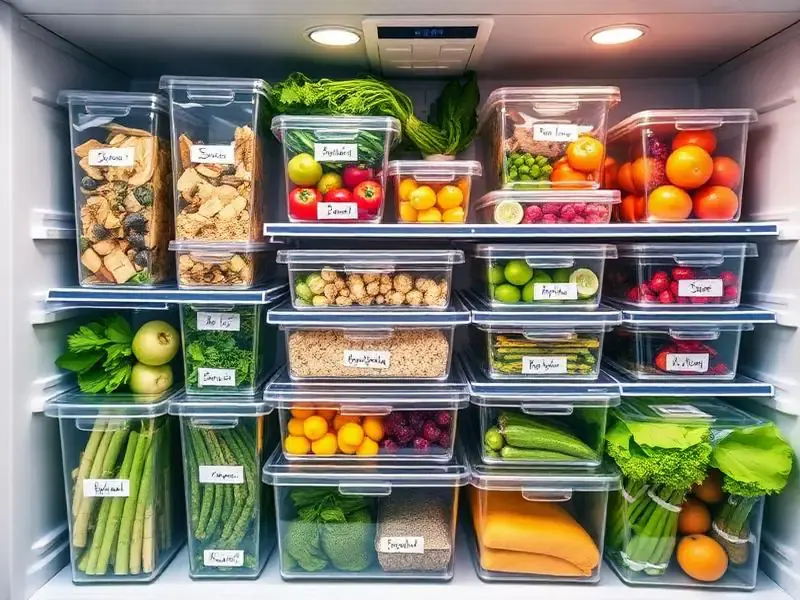
Keep food off the floor, protected from pests and away from chemicals. Use suitable food-grade containers with covers and clear labels. Store raw animal products below ready-to-eat food in secure containers, and separate allergens according to the workplace system.
Dry stores should be clean, ventilated and appropriate for the products held. Avoid overcrowding shelves or placing food against damp walls. Refrigerator and freezer storage needs enough space for air circulation. Follow supplier instructions after opening a package; the printed date may no longer be the only relevant limit.
Rotate stock with FIFO and FEFO
FIFO means first in, first out: use older received stock before newer stock when dates and condition allow. FEFO means first expired, first out: use the stock with the earliest applicable expiry first. FEFO is especially useful when deliveries arrive out of date order.
Keep use-by and best-before meanings distinct. A use-by date relates to safety for applicable perishable products; do not override it based only on smell. Best-before usually relates to quality, but damaged or unsafe food must still not be served. Follow the relevant product instructions and business policy.
Label prepared and opened food
Labels should identify the food and the information needed to use it safely, such as preparation or opening date, required storage and the applicable use limit. Include allergen identification where it supports the system. Never invent a shelf life without a validated procedure.
Do not top up an old container with a new batch in a way that loses the identity or age of food. Keep records that allow the team to trace ingredients when necessary. Use clear, legible labels that colleagues can understand during a busy shift.
Handle ingredients safely during preparation
Plan the work to separate raw and ready-to-eat tasks. Prepare small batches of perishable food and return ingredients to temperature-controlled storage promptly. Use clean utensils and avoid touching food-contact parts with dirty hands.
Wash fresh produce with safe water using the approved procedure. Do not wash raw chicken: splashing can spread contamination around the sink and surrounding surfaces. Cook it using a validated method instead. Protect prepared food during transport and service as carefully as during storage.
On your next shift
Two deliveries of yoghurt arrive: the newer delivery has an earlier use-by date. The café uses FEFO, placing the earlier-expiring stock at the front rather than relying solely on the arrival date.
Take these habits with you
- Check deliveries before acceptance.
- Separate raw, ready-to-eat and chemical storage.
- Use FEFO when expiry dates differ.
What does FEFO mean?
Educational guidance, not legal advice. Read the official R638 regulation and confirm workplace-specific requirements with your local environmental health service.