
Personal Hygiene
Build good handwashing habits and safe personal hygiene routines.
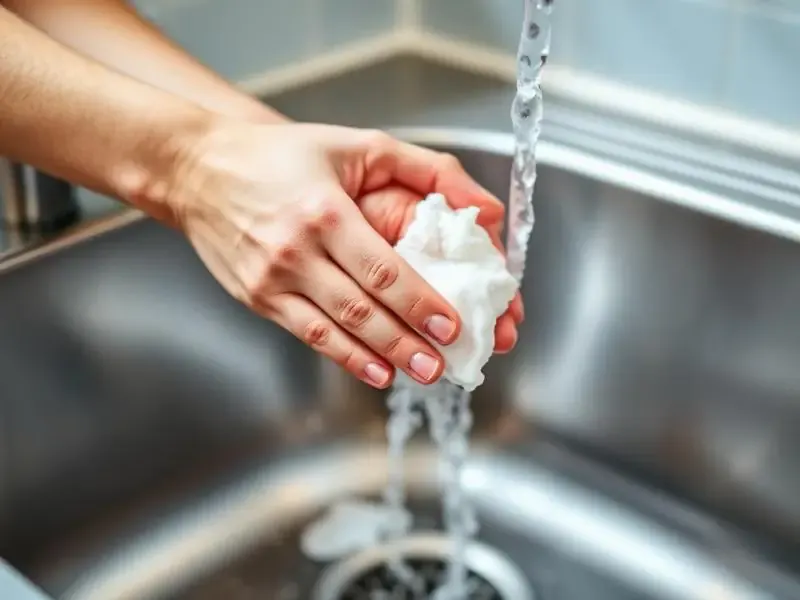
Wash hands thoroughly, not just quickly
Hands can carry microorganisms from people, raw food, waste, phones and surfaces to food. Use a designated handwashing basin with safe running water, soap and a hygienic method of drying. A food-preparation sink should not be treated as a substitute where a dedicated basin is required.
Wet your hands, apply soap and rub all surfaces for at least 20 seconds as a practical handwashing recommendation. Include palms, backs of hands, between fingers, thumbs, fingertips and around nails. Rinse well and dry with a hygienic method, such as a single-use towel. Avoid touching dirty tap handles again after washing; use the workplace method for closing them. Hand sanitiser does not replace washing visibly dirty or greasy hands.
Know when to wash
Wash before starting work and before handling ready-to-eat food. Wash after using the toilet, touching raw meat, poultry or fish, handling rubbish, cleaning, coughing, sneezing or touching your face, hair or phone. Wash after breaks and whenever hands may have become contaminated.
Gloves are not a shortcut. Wash hands before putting gloves on, change gloves between incompatible tasks and discard them if torn or contaminated. Do not wash disposable gloves for reuse. A gloved hand that touches raw chicken can contaminate a salad just as easily as a bare hand.
- Keep nails short and clean; follow workplace rules on nail polish and artificial nails.
- Use suitable utensils to minimise direct handling of ready-to-eat food.
- Keep personal items away from food preparation areas.
Clothing, hair and safe behaviour
Wear clean protective clothing appropriate to the task. Hair restraints should contain hair, and beard coverings may be needed. Store outside clothing and personal belongings away from food. Change an apron when it is dirty or after a task that could contaminate the next activity.
Jewellery and accessories can trap dirt, interfere with effective handwashing or fall into food. Follow your workplace restrictions and avoid loose items. Do not eat, smoke, vape or chew gum in food handling areas. Cough or sneeze away from food, dispose of tissues safely and wash your hands.
Illness, cuts and wounds
Tell the person in charge if you have vomiting, diarrhoea, a suspected infectious illness or an infected wound. Do not continue handling exposed food while waiting to see whether the symptoms get worse. The supervisor should follow the workplace exclusion policy and obtain medical or environmental health guidance where needed.
Protect cuts with a secure waterproof dressing that is easy to detect, and use a glove where appropriate. Report a lost dressing immediately. An infected wound requires assessment; simply putting a glove over it does not make all food handling safe. Return-to-work decisions depend on the illness and applicable advice, not on a certificate from this course.
On your next shift
You take payment at a market stall and then need to assemble a ready-to-eat sandwich. Money and the payment terminal may contaminate your hands. Wash them before preparing the sandwich, or organise the work so a separate person handles payment.
Take these habits with you
- Wash with soap, cover every surface and dry hygienically.
- Change gloves between tasks; gloves do not replace handwashing.
- Report illness before handling exposed food.
What should you do after handling raw chicken and before preparing salad?
Educational guidance, not legal advice. Read the official R638 regulation and confirm workplace-specific requirements with your local environmental health service.